Source Clutch Assembly for Cars, Trucks, and Racing
Find 30 clutch assembly options for cars, heavy-duty trucks, and racing vehicles. Compare specifications like load direction, material, and standards from verified Chinese manufacturers to select the right component for your application; compare the available evidence and request quotations based on your requirements.
Key considerations
Products List



Comprehensive Sourcing Guide
Clutch Assembly Sourcing Guide
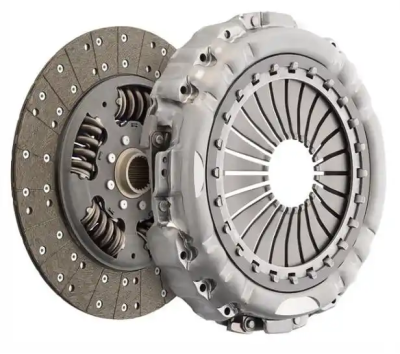
Sourcing a clutch assembly requires a disciplined approach to aligning component specifications with the specific mechanical demands of the end application. Buyers must first distinguish between the various sub-components that constitute a complete system, such as clutch discs, pressure plates, and release bearings, as these elements often have distinct supply chains and quality profiles. The provided data indicates a market presence for specialized parts like clutch buttons and discs, which suggests that sourcing may involve assembling a kit from multiple verified suppliers rather than purchasing a single pre-assembled unit. This fragmentation necessitates rigorous verification of compatibility, ensuring that the friction material, spline count, and hub diameter match the transmission input shaft precisely. Misalignment in these critical dimensions can lead to premature wear, vibration, or complete transmission failure, making dimensional accuracy the primary filter in supplier selection.
Furthermore, the operational environment dictates the material selection and performance expectations for the clutch assembly. Industrial and heavy-duty truck applications, as noted in the observed listings, demand high-torque capacity and thermal resistance, whereas racing or automotive aftermarket segments may prioritize lightweight construction and rapid engagement characteristics. Buyers should evaluate whether the supplier offers customization options, as standard off-the-shelf components may not meet the unique load requirements of specialized machinery. The presence of OEM-compatible parts indicates that reverse engineering or direct replacement sourcing is viable, but it requires strict adherence to original equipment manufacturer tolerances. Understanding the working mode, such as power combining or linkage types, is essential for selecting the correct assembly architecture. This foundational understanding prevents costly procurement errors and ensures that the final assembly integrates seamlessly with the vehicle or machine’s drivetrain.
Product Scope and Observed Listing Signals
The current market landscape for clutch assemblies reveals a diverse range of product types, from complete kits to individual friction components. Observed listings highlight specific items such as clutch discs and buttons, with models like HCD802U and MF385 indicating a focus on heavy-duty truck applications. These signals suggest that buyers are often sourcing specific replacement parts rather than generic assemblies. The mention of non-asbestos components reflects a shift toward safer, environmentally compliant friction materials, which is a critical consideration for modern manufacturing standards. Additionally, the availability of customization services implies that suppliers are equipped to handle bespoke requirements, allowing buyers to tailor clutch specifications to unique operational loads or space constraints. This flexibility is particularly valuable for niche markets where standard parts do not fit the performance criteria.
Packing and origin data provide further insight into the logistical realities of sourcing these components. Products originating from China are frequently packaged in boxes and pallets or cartons, indicating a readiness for bulk international shipping. The standard packing methods suggest that suppliers prioritize protection against damage during transit, which is vital for delicate friction surfaces and precision-machined metal parts. The selling unit being listed as a single item for some products, while others imply bulk packaging, highlights the need for buyers to clarify quantity expectations during the inquiry phase. Understanding these logistical signals helps in estimating landed costs and storage requirements. Buyers should also note the presence of specific model numbers, which serve as key identifiers for verifying compatibility with existing inventory or machinery manuals.
Technical Specifications to Verify
Dimensional accuracy is the most critical technical parameter when verifying a clutch assembly. Buyers must confirm the outer diameter, hub diameter, and spline count to ensure mechanical fitment. For instance, observed specifications include an outer diameter of 210mm and a hub diameter of 7/8 inches with a 20-tooth spline, which are precise requirements that must be matched exactly. Any deviation in spline count or hub diameter can prevent installation or cause catastrophic failure under load. Additionally, the number of rows and the separation status of bearings within the assembly affect the overall durability and maintenance intervals. Single-row, unseparated bearings are common in certain applications, but buyers must verify if this configuration meets the specific load and speed requirements of their machinery.
Load capacity and clearance specifications are equally vital for ensuring long-term performance. The rated load, including dynamic capacity (Cr) and static capacity (Cor), provides a baseline for the assembly’s ability to transmit torque without slipping or deforming. Observed values such as Cr=11.7kN and Cor=6.45kN offer a reference point, but buyers must calculate the actual torque demands of their application to ensure adequate safety margins. Radial clearance, observed at 0.023mm in some listings, influences the smoothness of engagement and the heat dissipation characteristics of the clutch. Precision grades, such as P0, P6, or P5, indicate the manufacturing tolerance levels, with lower numbers representing tighter tolerances. Buyers should request detailed technical drawings and load curves from suppliers to validate that the assembly can withstand the peak loads and thermal cycles of the intended use case.
Compliance and Safety Documentation
Regulatory compliance is a non-negotiable aspect of sourcing clutch assemblies, particularly for automotive and heavy-duty applications. Buyers must verify that suppliers hold relevant quality management certifications, such as ISO/TS16949, which is specifically tailored to the automotive industry’s rigorous quality standards. This certification ensures that the supplier has implemented robust processes for defect prevention and continuous improvement, reducing the risk of inconsistent product quality. Additionally, the mention of CE certification in the background data suggests that products intended for the European market must meet specific safety and environmental directives. Buyers should request valid certification documents and verify their authenticity through the issuing bodies to avoid sourcing non-compliant components that could lead to legal liabilities or market rejection.
Material safety and environmental regulations also play a significant role in documentation requirements. The shift toward non-asbestos friction materials is driven by health and safety concerns, as asbestos fibers are known carcinogens. Buyers must ensure that suppliers provide material safety data sheets (MSDS) and confirm that the friction composition complies with local regulations regarding hazardous substances. Furthermore, standards such as GB/T 5764-1998 and GB/T 5764-2008, observed in the listings, indicate adherence to specific national standards for automotive clutch discs. Buyers should verify which version of the standard applies to their market and ensure that the supplier’s testing protocols align with these requirements. Documentation should also include warranty terms, such as the observed 12-month warranty, which provides a layer of protection against early failures and demonstrates the supplier’s confidence in their product quality.
Cost Drivers and Commercial Terms
The cost of a clutch assembly is influenced by several key factors, including material quality, manufacturing complexity, and order volume. High-grade bearing steel and bronze components, as observed in the listings, contribute to higher material costs but offer superior durability and performance. The production process, such as cold rolling for springs, also impacts the final price, as specialized manufacturing techniques require more investment in tooling and labor. Buyers should analyze the cost structure to understand the value proposition of different suppliers, ensuring that lower prices do not come at the expense of critical performance attributes. Additionally, the availability of OEM parts may command a premium due to the precision engineering required to match original specifications, whereas aftermarket alternatives might offer cost savings with varying levels of quality.
Commercial terms, including minimum order quantities (MOQ) and payment conditions, significantly affect the total cost of ownership. Observed MOQ ranges from 1 to 5000 units, providing flexibility for both small-scale repairs and large-scale production runs. Buyers should negotiate MOQs based on their consumption rates and storage capabilities to avoid excessive inventory costs. Payment terms and lead times are also critical considerations, as delays in supply can disrupt production schedules. The standard packing methods observed, such as box and pallet packaging, may influence shipping costs and handling requirements. Buyers should clarify all commercial terms upfront, including warranty coverage and return policies, to mitigate financial risks. Understanding these cost drivers and terms allows for more accurate budgeting and more effective negotiation with suppliers.
Supplier Qualification and Quality Control
Evaluating supplier qualification is essential to ensure consistent quality and reliable supply. Buyers should conduct thorough audits of the supplier’s manufacturing facilities, focusing on their quality control processes and testing capabilities. The presence of certifications like ISO/TS16949 is a strong indicator of a supplier’s commitment to quality management, but buyers should also verify the supplier’s track record in delivering products that meet specified tolerances. Requesting sample units for testing is a critical step in the qualification process, allowing buyers to assess the physical quality, fitment, and performance of the clutch assembly before committing to a large order. Additionally, buyers should inquire about the supplier’s supply chain management practices to ensure that raw materials are sourced from reputable providers and that production processes are stable and controlled.
Quality control measures should extend beyond the final product to include in-process inspections and statistical process control. Buyers should ask suppliers about their defect detection methods and how they handle non-conforming products. The observed precision grades, such as P0, P6, and P5, require rigorous inspection protocols to ensure that each unit meets the specified tolerance levels. Suppliers should provide detailed inspection reports and test data for each batch, allowing buyers to verify compliance with their requirements. Furthermore, buyers should establish clear communication channels with suppliers to address any quality issues promptly. Building a strong relationship with qualified suppliers fosters trust and collaboration, leading to better product quality and more responsive service. Regular performance reviews and feedback loops are essential for maintaining high standards and driving continuous improvement.
Long-Term Procurement Checks
Sustaining a successful procurement strategy for clutch assemblies requires ongoing monitoring and evaluation of supplier performance. Buyers should establish key performance indicators (KPIs) such as on-time delivery rates, defect rates, and responsiveness to issues. Regularly reviewing these metrics helps identify potential problems early and allows for corrective actions to be taken before they impact production. Additionally, buyers should stay informed about industry trends and technological advancements that may affect clutch assembly design and performance. This proactive approach ensures that the sourcing strategy remains aligned with evolving market demands and regulatory requirements. Building a diversified supplier base can also mitigate risks associated with single-source dependencies, providing greater flexibility and resilience in the supply chain.
Continuous improvement initiatives should be encouraged through regular supplier meetings and joint development projects. Buyers should share feedback on product performance and quality issues, fostering a collaborative environment focused on mutual growth. Investing in long-term relationships with suppliers can lead to better pricing, priority service, and access to new technologies. Furthermore, buyers should regularly review and update their technical specifications to reflect changes in application requirements or industry standards. This dynamic approach ensures that the sourced clutch assemblies remain relevant and competitive. By maintaining a disciplined and evidence-based procurement process, buyers can secure high-quality clutch assemblies that support their operational goals and drive long-term business success.
FAQs
What is the rated load capacity for this bearing?
The rated load capacity is Cr=11.7kn and Cor=6.45kn for this specific bearing model. This radial bearing supports compression loads and is designed for industrial applications requiring precise performance under standard operating conditions.
Which materials are used in the clutch assembly parts?
The clutch assembly parts utilize bearing steel and bronze materials for durability. These components are manufactured to meet GB/T standards and are suitable for heavy-duty trucks and racing cars requiring high friction clutch performance.
Can the product be customized for specific requirements?
Yes, customization is available for this product to meet specific buyer needs. The manufacturer offers tailored solutions while maintaining standard packing methods and ensuring a warranty period of 12 months for all customized orders.
What is the precision grade of the bearing?
The bearing precision grade is available in P0, P6, and P5 specifications. These grades ensure accurate radial clearance of 0.023mm, making the component suitable for applications requiring high rotational accuracy and stability.
How is the clutch disc certified for safety?
The clutch disc holds ISO/TS16949 certification for friction clutch classification. This ensures the component meets rigorous quality standards for automotive applications, including heavy-duty trucks and racing cars, guaranteeing reliable performance in the market.
What is the origin and warranty period of the item?
The product originates from China and comes with a 12-month warranty. This warranty covers defects in materials and workmanship, providing buyers with confidence in the longevity and reliability of the clutch assembly components purchased.
Which standard does the clutch disc specification follow?
The clutch disc specification follows the GB/T 5764-1998 and GB/T 5764-2008 standards. These standards define the dimensions and performance requirements, ensuring the part fits correctly within the clutch system of heavy-duty vehicles.